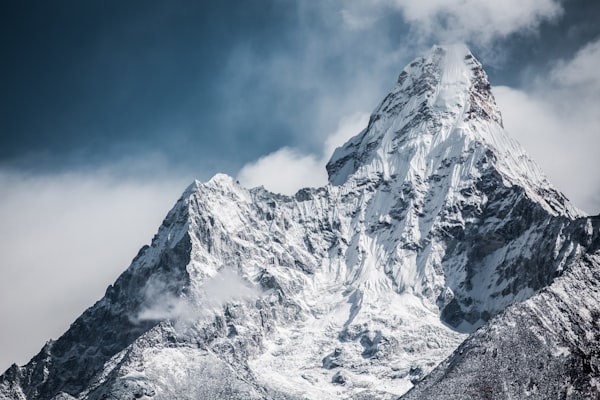
Everyone talks about the Annapurna Circuit and Everest Base Camp. And fair enough, they are incredible. But there is a trek in Nepal that delivers everything those two do, with a fraction of the people on the trail, wilder scenery, and the kind of raw, unpolished experience that Nepal used to be famous for before the tourist buses rolled in. The Manaslu Circuit is 13 days around the world's eighth-highest mountain, through a restricted area that requires a special permit, which is exactly why it still feels like a proper adventure. If you have already trekked in Nepal, this is where you go next. And honestly? If this is your first Nepal trek, it might be the best one to start with.
What Makes Manaslu Different
The Manaslu region is a restricted area. That means you need a special permit to trek there, and that permit comes with conditions: you must trek with a registered guide and in a group of at least two. Sounds like a hassle, but it is actually the best thing about this trek. The permit system caps the number of trekkers, which means on most days you will see more yaks than people. Compare that to the Annapurna Circuit, where the tea houses in peak season can feel like a backpacker hostel.
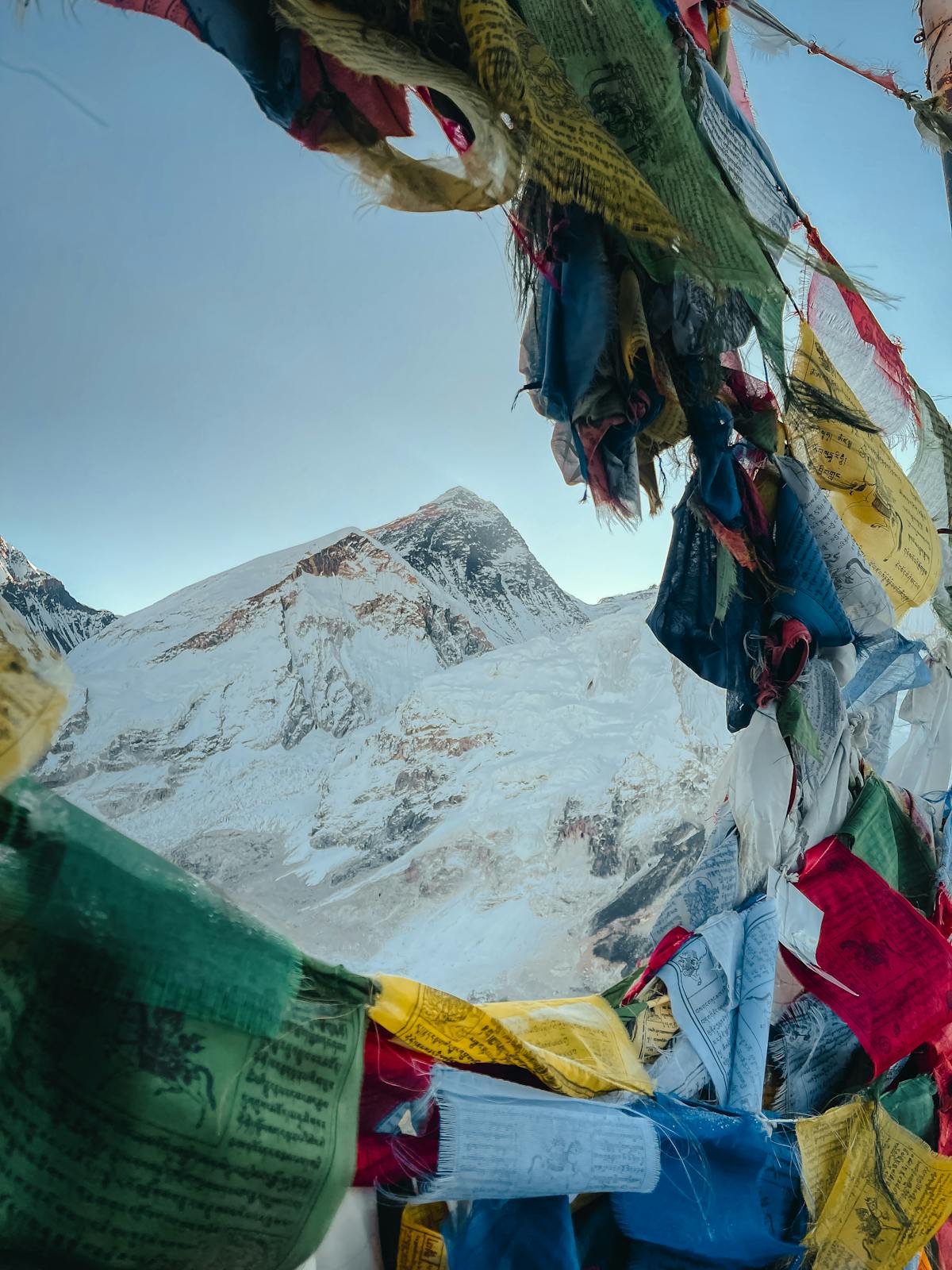
The restricted status also means the villages along the route have stayed remarkably authentic. There are no souvenir shops, no pizza restaurants trying to lure in tourists, no Wi-Fi cafes with menus in six languages. Just stone houses, prayer flags, monastery bells, and families who have lived in these valleys for generations. The Tibetan Buddhist culture here is deeper and less diluted than almost anywhere else you can trek to in Nepal.
The Route: 13 Days of Constantly Changing Scenery
The Manaslu Circuit starts with a long drive from Kathmandu to Soti Khola. It is not glamorous. The road is rough and the bus will test your patience. But the moment you start walking, everything changes.
The first few days follow the Budhi Gandaki river through a deep gorge lined with waterfalls and suspension bridges. It is subtropical down here: warm, humid, green everywhere. You cross into the restricted area at Jagat and the vibe shifts immediately. Prayer wheels appear. Mani walls line the trail. The valley opens up and you start seeing snow.
By day six or seven you are in Samagaon, a Tibetan trading village sitting at 3,530 metres directly beneath the massive south face of Manaslu. You take an acclimatisation day here, and if the weather is clear you can hike up to Birendra Lake for one of those views that genuinely stops you in your tracks. Manaslu at 8,163 metres towering above you, reflected in a glacial lake. No filter needed.
Then comes the high stuff. You push to Samdo, the last village before the pass, where you are so close to the Tibetan border you can almost see it. One more night at Dharamsala, a basic stone shelter at 4,460 metres where the stars are absurd and the silence is absolute. Then the big day.
Larkya La Pass: The Day That Makes the Trek
Larkya La sits at 5,160 metres and it is the highest point of the circuit. You will start walking before dawn, headlamp on, breath visible in the freezing air. The climb is long and steady rather than steep, but at that altitude every step requires effort. Your guide will set a pace that feels almost painfully slow. Trust them. That is how you get to the top.
And when you do get to the top, the reward is a 360-degree panorama of Himalayan peaks that will make you forget your burning lungs. Manaslu behind you. The Annapurna range ahead. Glaciers in every direction. It is one of those moments you will replay in your head for years.
The descent to Bimthang on the other side is steep and long, dropping almost 1,600 metres. Your knees will have opinions about this. But you land in a green valley with views of Manaslu from an entirely different angle, and the relief of knowing you crossed the pass is a feeling that does not get old.
Manaslu vs the Annapurna Circuit: Honest Comparison
People always ask which is better, so here is the straight answer:
- Crowds: Manaslu wins easily. The restricted permit system keeps numbers way down. On the Annapurna Circuit, especially in October, you can be walking in a line of 50 trekkers. On Manaslu, you might pass three or four groups all day.
- Scenery: Both are world-class. Annapurna has more variety in the lower sections (rice paddies, rhododendron forests, Hindu villages transitioning to Buddhist). Manaslu is wilder and more dramatic, with a constant feeling of being somewhere genuinely remote.
- Difficulty: Manaslu is harder. Larkya La (5,160m) is slightly lower than Thorong La (5,416m) on the Annapurna Circuit, but the Manaslu route is rougher, less developed, and the pass day involves a bigger descent. You need to be fit.
- Tea houses: Annapurna tea houses are more established, with menus, hot showers and the occasional charging station. Manaslu tea houses are more basic, especially above 3,000 metres. That is part of the charm, but know what you are signing up for.
- Duration: Both are 12 to 13 days. Very similar commitment.
- Price: The Annapurna Circuit starts from $2,089 AUD. The Manaslu Circuit starts from $2,389 AUD. The difference covers the restricted area permit.
- Our take: If this is your first Nepal trek and you want a well-supported, slightly gentler introduction, go Annapurna. If you have trekked before and want something wilder, quieter and more authentic, Manaslu is the clear choice.
Manaslu vs Everest Base Camp
Completely different experience. Everest Base Camp is an out-and-back route to the foot of the world's tallest mountain. The destination is the draw. You walk to one specific place, stand there, take it in, and walk back. It is iconic and emotional and absolutely worth doing.
Manaslu is a full circuit. You never retrace your steps. The landscape changes every single day, from tropical valleys to glacial passes to alpine meadows. There is no single moment of arrival like standing at Base Camp, but the cumulative experience over 13 days is arguably richer. Different beasts, both brilliant.
How Hard Is It, Really?
Manaslu is rated Hard and that is honest. It is not technical. You are walking, not climbing. But the combination of altitude, distance and trail conditions makes it a step up from the Annapurna Circuit or EBC.
The trails in the lower sections can be rough. There are river crossings, landslide sections, and stretches where the path narrows to a metre-wide ledge above a serious drop. None of it is dangerous with a good guide, but it requires attention. Above 3,500 metres, the altitude kicks in and everything gets harder. The pass day is a genuine physical challenge.
You need to be comfortable hiking 6 to 8 hours a day, uphill, at altitude, for nearly two weeks. If you can do that, you will be fine. If you are not sure, spend 10 to 12 weeks building up your fitness with loaded hikes, hill repeats and cardiovascular training. Our guides will set a safe pace, but you need the baseline fitness to sustain it.
When to Go
Two windows, same as the rest of Nepal:
- Spring (March to May): Rhododendrons blooming at lower altitudes, warmer temperatures, but slightly less stable weather and hazier mountain views. Quieter on the trails.
- Autumn (September to November): The prime window. Crystal clear skies, stable weather, the mountains absolutely popping against deep blue. October is peak season for good reason. Book early.
Avoid June to August (monsoon) and December to February (too cold, too much snow on the pass). The September 25 departure is already showing limited availability on our calendar, so if autumn is your target, do not sit on it.
What It Costs
Our Manaslu Circuit trek starts from $2,389 AUD per person. That covers your guide, porters, all accommodation and meals on the trail, permits (including the restricted area permit, MCAP and TIMS), ground transport to and from the trailhead, airport transfers and a trek briefing in Kathmandu.
You will need to budget separately for your flight to Kathmandu (usually $600 to $1,200 AUD return from Australia), travel insurance that covers altitude trekking and evacuation (non-negotiable), your Nepal visa, and spending money for hot showers, snacks, drinks and tips. Budget $400 to $600 AUD for that.
The $500 AUD deposit locks in your spot. The balance is due 60 days before departure.
What We Sort Out
Everything except your flight and your snack stash. Specifically:
- Experienced English-speaking guide who knows the Manaslu route inside out
- Porter service so you only carry a daypack
- All permits: restricted area, MCAP, TIMS
- All accommodation: hotels in Kathmandu, tea houses on the trail
- Three meals a day on the trek
- Ground transport: Kathmandu to Soti Khola, Dharapani to Kathmandu
- Airport transfers and trek briefing
- First aid kit, oximeter, and emergency planning
You just walk. We handle the rest.
Why Now?
Manaslu will not stay quiet forever. The Nepal government has been talking about relaxing the restricted permit requirements, which would open the floodgates. When that happens, the tea houses will expand, the menus will get bigger, the Wi-Fi signs will appear, and the feeling of walking through genuine wilderness will fade. It is happening slowly already.
Right now, in 2026, the Manaslu Circuit is still the Nepal that experienced trekkers dream about. Remote, raw, uncrowded, and utterly magnificent. If that is the experience you want, the time is now.
Ready to trek the Manaslu Circuit?
See our full 13-day itinerary, day-by-day breakdown and available departure dates.
View Trek DetailsNot sure which Nepal trek is right?
Send us a message with your dates and fitness level. We will help you pick the perfect route.
Get in Touch