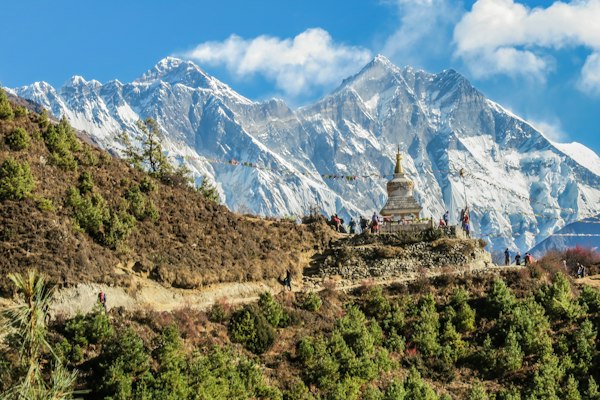
Nobody goes to Nepal planning to feel rubbish. But altitude sickness is the one thing that can take an absolutely incredible trek and turn it into a slog. Here's the good news though: it's predictable, it's preventable, and if you know what to look for, it's very manageable. Whether you're heading to Everest Base Camp at 5,364m or crossing Thorong La Pass at 5,416m on the Annapurna Circuit, this is everything you need to know to stay safe and actually enjoy the whole thing.
So What Actually Is Altitude Sickness?
Altitude sickness (the medical types call it Acute Mountain Sickness or AMS) is basically your body going "whoa, where's all the oxygen gone?" The higher you climb, the less oxygen there is in every breath you take. Your body can absolutely adapt to this, but it needs time. Rush the process and that's when things go pear-shaped.
Most people start feeling something above 2,500 metres. By the time you hit 3,500m and beyond, giving your body time to adjust becomes properly important. The mild stuff isn't dangerous if you respond to it. But if you ignore the signals and keep pushing? That's when it gets serious, fast.
What Does It Feel Like?
Symptoms typically rock up within 6 to 12 hours of reaching a new altitude. Here's what to watch for:
- A headache that won't quit, even after popping a paracetamol
- Feeling queasy or throwing up for no obvious reason
- Bone-deep tiredness that goes beyond normal "I've been walking all day" fatigue
- Getting dizzy or lightheaded when you stand up or walk around
- Being short of breath even sitting still (not just when you're hiking uphill, that's normal)
- Rubbish sleep with lots of tossing and turning
- Not wanting to eat, even though you know you should
A mild headache or a bit of tiredness is completely normal and usually sorts itself out in a day or two as your body catches up. The thing you're watching for is symptoms that keep getting worse rather than better.
Who Gets It? (Spoiler: Anyone)
This is the bit that catches people off guard. Being fit does not protect you from altitude sickness. We've seen ultra-marathon runners laid up with splitting headaches at 4,000m. We've seen gym junkies struggling while the quiet person in the group who "doesn't really exercise much" waltzes up to 5,000m without a single issue. There is genuinely no reliable way to predict who'll cop it.
Age, gender, how many push-ups you can do... none of it has much correlation with how your body handles altitude. The only vaguely useful predictor is how you've responded to altitude before, and even that's not bulletproof. You could have trekked to 4,500m last year with zero dramas and still get smacked this time around. Your body isn't a machine. It reacts differently depending on how well you've slept, how hydrated you are, how fast you've been climbing, and about a hundred other things.
Bottom line? Everyone is at risk. Even the person who's done this ten times before. Treat altitude with respect.
How to Keep It at Bay
Prevention isn't complicated. It mostly comes down to giving your body enough time and not being silly about it.
Acclimatisation days are everything. Genuinely the single most important factor. Every good trek itinerary builds in rest days at key elevations where you stay put for a full day and let your body catch up. All our treks have these baked in at exactly the right points. Don't skip them. Don't think you're above them.
Climb high, sleep low. On your rest days, hike up to a higher point during the day, then come back down to sleep. It sounds counterintuitive, but it trains your body to handle the altitude above without forcing it to recover up there overnight. It's one of the oldest tricks in the trekking playbook and it works brilliantly.
Drink water like it's your job. Dehydration and AMS are best mates. The dry mountain air pulls moisture out of you way faster than you realise, and dehydration makes every altitude symptom worse. Aim for 3 to 4 litres a day once you're above 3,000m. Yes, that's a lot. Yes, you'll need to pee constantly. Small price to pay.
Save the beers for Kathmandu. Alcohol dehydrates you and messes with your sleep, both of which make altitude symptoms flare up. Plus, a couple of drinks at 4,000m will hit you like you've had six. It's just not worth it until you're back down.
Walk at a chatting pace. There is absolutely no prize for being first to the teahouse. If you can hold a comfortable conversation while walking, you're at the right speed. If you're gasping between words, slow down. Your guides will set the tempo, and it'll feel almost frustratingly slow at first. Trust the process.
Keep eating, even when you don't feel like it. Your body is burning significantly more energy at altitude. When your appetite drops (and it will), eat anyway. Carb-heavy meals like dal bhat, rice dishes and noodle soups are perfect fuel for high altitude trekking. Force a bowl down even if you're not keen.
What About Diamox?
Diamox (acetazolamide) is the most common medication used for altitude sickness prevention. It works by stimulating your breathing so your body takes in more oxygen. Plenty of trekkers pop it as a preventative, starting a day or two before they reach the higher elevations.
It's prescription-only in Australia, so you'll need to chat to your GP before you go. Side effects are annoying but harmless: tingly fingers and toes, needing to pee more often, and fizzy drinks tasting weird. That's about it for most people.
One important thing: Diamox is not a cheat code. It helps your body adjust faster, but it absolutely does not replace proper acclimatisation. Think of it as an extra safety net, not a substitute for doing things right. You still need the rest days. You still need to go slowly.
Book in with your doctor at least 4 to 6 weeks before you fly. They'll probably suggest doing a trial run with the medication at home so you know how you react to it before you're halfway up a mountain in Nepal.

When It Gets Serious: HACE and HAPE
Mild AMS is a nuisance. Severe altitude sickness is life-threatening. There are two serious conditions that every trekker absolutely needs to know about, even though they're rare.
HACE (High Altitude Cerebral Edema) is swelling of the brain. The warning signs are scary and obvious: severe confusion, inability to walk in a straight line (like being properly drunk), slurred speech, hallucinations, extreme drowsiness. If someone's showing these symptoms, they need to go down immediately. Not in the morning. Not after a rest. Right now.
HAPE (High Altitude Pulmonary Edema) is fluid building up in the lungs. Watch for a persistent wet cough, breathlessness even while sitting still, gurgling or crackling sounds when breathing, blue-tinged lips or fingernails, and extreme fatigue. Like HACE, this is a "get down the mountain immediately" situation.
Both of these are rare on well-planned treks where acclimatisation is done properly. But they can develop quickly and they can develop in anyone. This is exactly why experienced guides and regular health checks matter so much. If your guide tells you it's time to descend, you go. No summit view is worth gambling with your life.
How We Keep You Safe Up There
Altitude safety isn't an afterthought for us. It's built into every trek from the planning stage. Here's what that actually looks like on the ground:
- Every itinerary has acclimatisation days at the right elevations. Not random rest days, but strategically placed stops based on decades of experience on these routes.
- Our guides do oximeter checks twice a day, monitoring your blood oxygen saturation and heart rate so they can spot trends before you even feel symptoms.
- Daily check-ins using a standardised symptom scoring system. Quick, straightforward, and it means nothing gets missed because someone was trying to tough it out.
- Emergency oxygen on every single trek that goes above 4,000m. Just in case.
- Evacuation plans are sorted before you take your first step. Helicopter rescue contacts, nearest medical facilities, communication protocols. It's all mapped out.
- Our local guides have spent years on these trails and they've seen every possible altitude reaction. There is nothing that catches them off guard.
If you're showing signs of serious AMS, our guides won't push you to keep going just to stay on schedule. They have the authority and the experience to make the call. And honestly, when you're at 5,000m and your brain feels like it's running at half speed, that's exactly the person you want making decisions for you.
How High Do Our Treks Go?
Different treks, different heights. Here's a quick rundown so you know what you're signing up for:
- Pikey Peak tops out at 4,065m. Brilliant for first-timers wanting to test how they handle altitude without going too extreme.
- The Annapurna Circuit crosses Thorong La Pass at 5,416m. Sounds intimidating, but the gradual elevation gain over 12+ days makes it very achievable with proper acclimatisation.
- Everest Base Camp reaches 5,364m. The classic. Well-established acclimatisation stops at Namche Bazaar and Dingboche break it up nicely.
- The Manaslu Circuit crosses Larkya La Pass at 5,160m. More remote, far fewer trekkers, and properly rewarding for those who want something a bit wilder.
Whichever trek you pick, we build the itinerary so your body gets the time it needs. You'll never be thrown into extreme altitude without proper preparation. That's a promise.
Ready to start planning?
Explore our full range of treks and find the one that suits your experience level.
Browse All TreksGot questions about altitude?
Send us a message and we will walk you through what to expect on your chosen trek.
Get in Touch