This is the list we actually send to our trekkers. Not some generic "top 50 items" listicle from someone who's never left their desk. We've guided hundreds of Aussies through the Himalayas, and we've seen every packing mistake in the book. The person who brought a full-size pillow. The bloke who packed five cotton t-shirts and no thermals. The legend who showed up with brand new boots straight out of the box. Don't be those people. Here's what to actually bring.
Layering: This Is Your Entire Strategy
Nepal's temperature swings are wild. You might start the morning trekking through balmy subtropical forest at 25°C and end the day in a teahouse where you can see your breath. By the time you're sleeping above 4,000 metres, it's well below zero. Layering isn't some optional upgrade. It's how you survive the whole temperature range without carrying a separate outfit for every scenario.
- Base layers (grab two): Merino wool tops, full stop. Merino keeps you warm when it's cold, cool when it's warm, and somehow doesn't reek after five straight days of sweating. Cotton will betray you. Leave it at home.
- Mid layer: A trusty lightweight fleece or down jacket. This is the layer that lives on and off your back all day and gets thrown on the second you stop walking.
- Insulation layer: A proper down jacket, 650+ fill. Once you're above 3,500m, this becomes your best friend every single evening and for those freezing summit morning starts.
- Shell layer: Waterproof, breathable rain jacket. It doesn't need to cost a fortune, but it absolutely needs to keep you dry when the weather turns. Gore-Tex is the gold standard if you've got the budget.
Upper Body
- Three trekking shirts: Quick-dry, long sleeve with a roll-up option. The Himalayan sun at altitude is genuinely fierce, so sleeves matter more than you think.
- Sports bras / undershirts: Moisture-wicking synthetics only. Anything cotton will sit wet against your skin and make you cold fast.
- A buff or neck gaiter is one of those bits of kit that punches way above its weight. Sun protection, dust filter, beanie alternative, scarf. One piece of fabric, about five different jobs.
Lower Body
- Two pairs of trekking pants. Lightweight, quick-dry, and if they've got zip-off legs that's a bonus. One pair on your body, one pair drying on the outside of your pack.
- Thermal leggings for sleeping in and for layering under your pants when it gets properly cold above 3,500m.
- A pair of shorts for the warmer lower-altitude days. Not essential, but on a hot afternoon in the foothills, you'll be glad you packed them.
- Four or five pairs of underwear: Merino or synthetic. Rotate them every couple of days and try not to think too hard about the laundry situation.
Footwear (Get This Wrong and You'll Regret It)
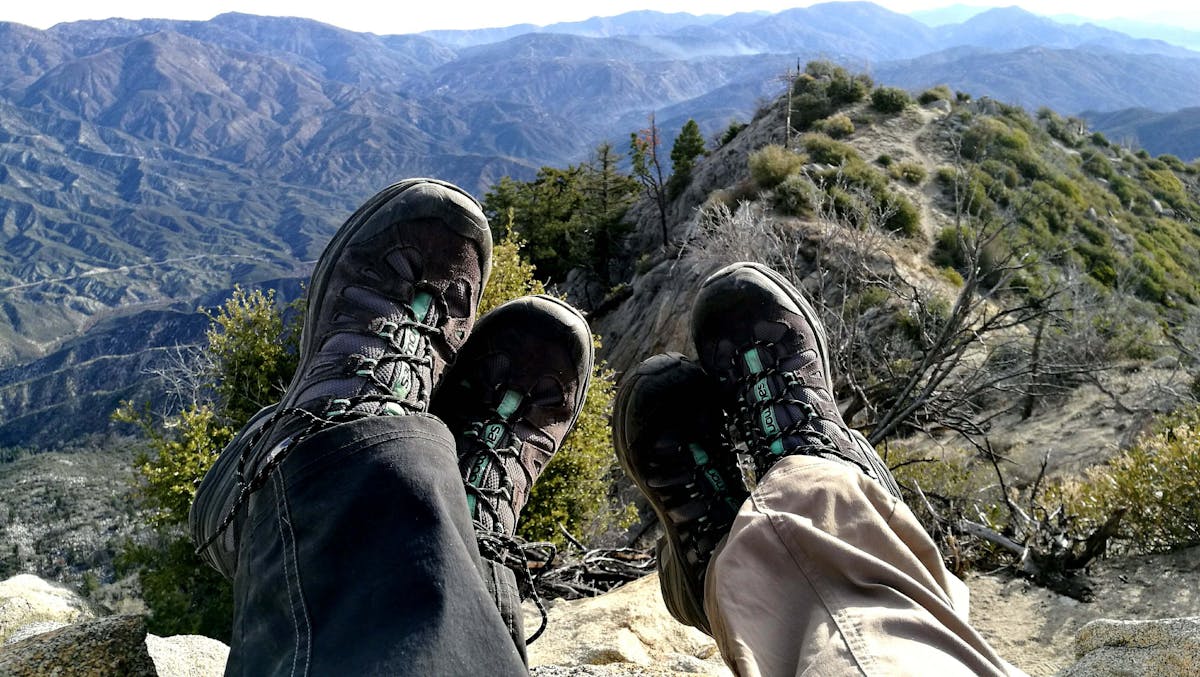
We cannot stress this enough: do NOT rock up to Lukla in boots you bought last week. This single mistake has ruined more treks than altitude sickness. Trust us on this one.
- Trekking boots: Ankle-high, waterproof, and properly broken in. We're talking at least 50 km in them before you board the plane. Blisters at 4,000 metres with five days of walking ahead of you is about as miserable as it sounds.
- Camp shoes or thongs: Something lightweight to slip on at the teahouse. After eight hours of walking, peeling off your boots and airing your feet is genuinely one of the best feelings in the world.
- Pack four pairs of merino trekking socks, medium cushion. If you're prone to blisters, throw in some liner socks too. Your feet are doing all the work here, so treat them well.
- Gaiters: Optional, but they earn their spot if you're hitting dusty lower trails or light snow on the high passes.
Accessories (The Small Stuff That Makes a Big Difference)
- A warm beanie you'll put on every evening and every morning above 3,000m. You lose a heap of heat through your head, and teahouses are draughty.
- A sun hat with a proper brim. The Himalayan sun combined with snow reflection at altitude will absolutely fry you if you're not careful.
- Two pairs of gloves: Thin liner gloves for walking, and a thicker insulated pair for early mornings and high passes when your fingers go numb.
- Decent sunglasses with UV400 protection, ideally polarised. Snow blindness is a real thing above 4,000m and it's not fun. This is non-negotiable.
- Trekking poles: Collapsible, adjustable. Your knees will thank you on every single descent. If you don't want to fly with them, rent a pair in Kathmandu for about $15 AUD.
Sleeping and Comfort
- Sleeping bag: Rated to -10°C if you're heading to Everest Base Camp or the Annapurna Circuit. You can get away with -5°C for lower altitude treks like Langtang Valley.
- A sleeping bag liner (silk or fleece) adds a surprising amount of warmth and keeps the inside of your bag from getting gross.
- An inflatable travel pillow. Teahouse pillows are thin, flat, and have seen better days. Yours will be the envy of the dorm room.
- Earplugs. Teahouse walls are paper thin. You will hear snoring. You will hear very loud snoring. This is a guarantee, not a warning.
Tech and Documents
- A headtorch is essential. Early morning starts happen in the dark, and teahouse electricity is patchy at best. Pack spare batteries because you can't buy them on the trail.
- Bring a 20,000mAh+ power bank. Charging at teahouses costs $3-5 AUD per go and the outlets are fought over. Be the person who brought their own power.
- Phone and camera: Most modern phones handle the cold just fine if you keep them in a pocket close to your body. Action cameras are great for trek footage if you're into that.
- Your passport stays safe in your pack, and you carry printed photocopies separately. Belt and braces.
- Travel insurance documents, printed. Make absolutely sure your policy covers trekking above 4,000m AND helicopter evacuation. This is the one thing you really, really do not want to get wrong.
- Cash in Nepali Rupees. ATMs vanish after Kathmandu and Pokhara, and they're not coming back until you return. Withdraw enough before you hit the trail. Budget roughly $20-30 AUD per day for snacks, drinks and the odd hot shower.

The "Leave It at Home" List
Every single kilo matters when you're walking 6-8 hours a day at altitude. Be ruthless.
- Cotton everything. Absorbs sweat, stays wet, chills you fast. It's the enemy. Merino and synthetics only.
- Jeans. Heavy, take forever to dry, zero stretch, zero breathability. Leave them in your Kathmandu hotel room and pick them up on the way back.
- Your laptop. You're trekking in the Himalayas. You genuinely do not need it. If something is that urgent, your phone works fine.
- All those "just in case" extras. You will not read three books. You do not need the nice toiletry bag. The spare pair of shoes will sit in your duffel untouched. Pack what you'll use. Ditch the rest.
- A full-size towel. Pack a quick-dry microfibre towel. Takes up about a quarter of the space and dries in an hour.
Hard-Won Wisdom From the Trail
We've collectively spent thousands of days on Himalayan trails. These are the tips we find ourselves repeating to every single group.
- Pack your bag, then take 30% back out. Everyone overpacks the first time. Your duffel should come in at 8-10 kg. Daypack, 5-7 kg. If it's heavier than that, you've brought too much. Simple as.
- Kathmandu's Thamel district is packed with trekking shops selling decent gear at great prices. Perfect for picking up gloves, beanies, buffs and trekking poles. Not the place to buy boots or a down jacket though. Bring those from home.
- Line your duffel with dry bags or heavy-duty bin liners. It will rain at some point. Your porter's pack cover isn't fully waterproof. The bin liner trick is old school and it works every time.
- Pack familiar snacks from Australia. Muesli bars, electrolyte sachets, trail mix, maybe some lollies. Teahouse food is solid but after a week, having something that tastes like home between meals is a proper morale booster.
- SPF 50+ sunscreen and lip balm. Reapply constantly. At altitude, the UV absolutely hammers you, especially with snow reflecting it back up. Sunburnt, cracked lips at 4,500 metres is a special kind of miserable.
When you book with us, we send a detailed, trek-specific gear list with weight targets and our honest brand recommendations. But this covers the essentials for any Nepal trek, whether you're heading to Everest Base Camp, the Annapurna Circuit, or the Manaslu Circuit. Pack smart, walk light, and enjoy every step of it.
Got questions about gear?
Send us a message and we'll help you nail your packing list before you fly.
Get in Touch