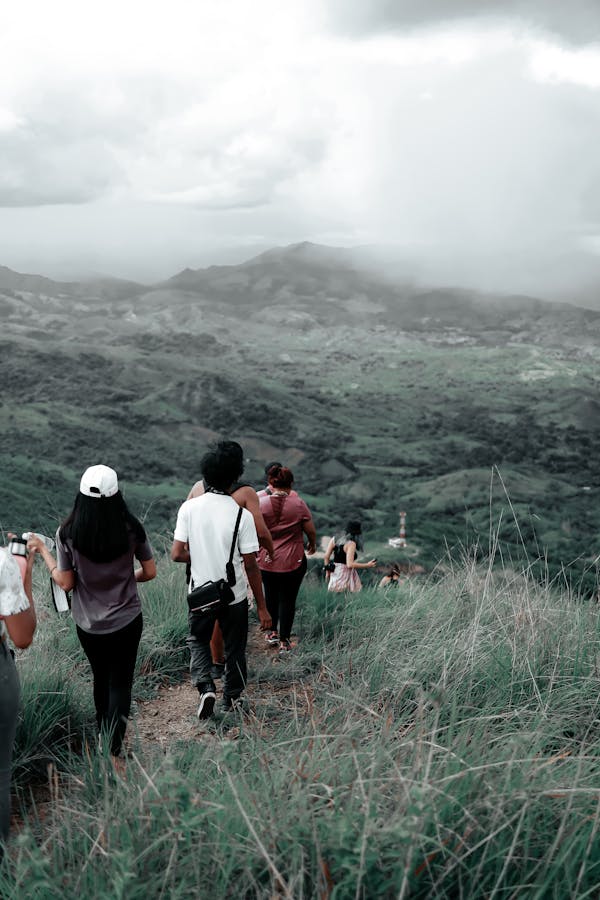
Some of the best trips of your life will not happen because you booked the fanciest hotel or found the cheapest flight. They will happen because you convinced a handful of good people to do something a bit wild together. Group trekking is that thing. You share the hard days, the massive views, the dodgy jokes at altitude, and the feeling of standing on top of something together that none of you will forget. Here is everything you need to know about making it happen.
Why Group Trekking Beats Going Solo
Solo trekking has its place. But there is something about sharing a trail with people you actually like that hits different. Here is why most of our trekkers come back saying their group trip was the best thing they have done.
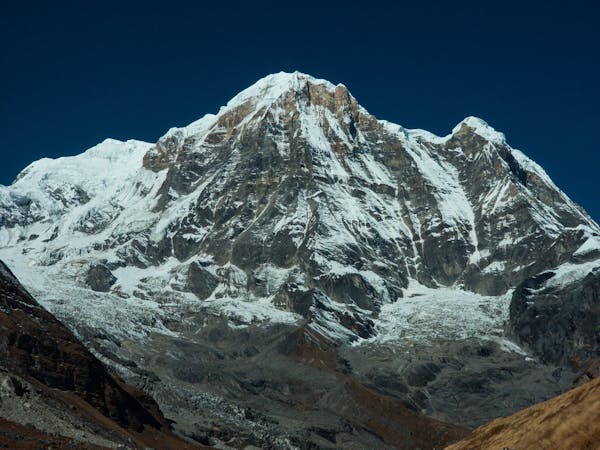
- Shared experiences stick. That moment when you crest a ridge and the entire Annapurna range opens up in front of you? It is a hundred times better when there are four or eight people next to you losing their minds at the same view. You will be talking about it at barbecues for years. Everyone needs witnesses to the good stuff.
- Safety in numbers. A group means more eyes on the trail, more people to notice if someone is struggling at altitude, and more support if anything goes sideways. Your guide handles the serious stuff, but having mates around adds a layer of comfort that is hard to replicate alone.
- It costs less. When you trek as a group, fixed costs like transport, guide fees, and permits get split across more people. The per-person price drops as your group grows. More mates, less money. Simple maths.
- Motivation when it matters. Day seven. Your legs are heavy. The pass is still two hours above you. This is exactly when having someone next to you making terrible jokes about their blisters makes all the difference. Groups pull each other through the hard bits. That is not weakness. That is how the best treks work.
Who Treks in Groups?
When people hear "group trek" they picture a bunch of strangers in matching t-shirts following a flag. That is not what we do. Our group treks are private. You choose who you walk with. And the types of groups we see are as varied as the trails themselves.
- Mates. This is the big one. A group of friends who have been talking about "doing something epic" for years and finally lock in a date. Usually 4 to 8 people. Almost always the loudest group on the trail.
- Families. Parents and adult kids, siblings, even multi-generational groups. We have had grandparents trek to Annapurna Base Camp. Trekking strips away the normal routine and gives families time together that is genuinely different from a beach holiday.
- Work colleagues. Corporate retreats that actually mean something. No trust falls. No conference rooms. Just a week on a trail where the hierarchy disappears and everyone is equally knackered by day three. Some of the strongest teams we have seen were built on the Annapurna Circuit.
- Clubs and communities. Hiking clubs, sports teams, university groups, travel communities. If you have got a crew that already loves being outdoors, a multi-day trek is the obvious next step.
How We Do Group Treks
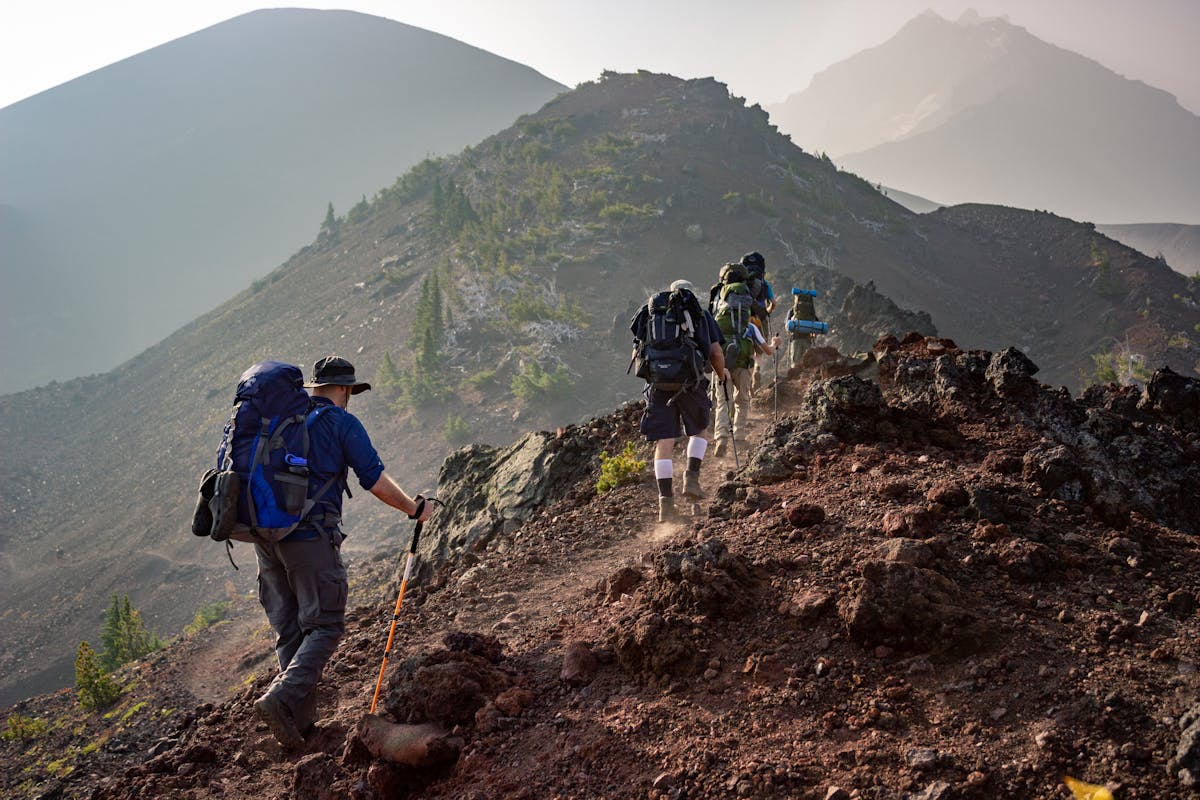
Every single one of our treks is private. That means you pick your dates, you pick your people, and you trek on your own schedule. No set departure dates. No getting thrown in with a bus load of strangers and hoping for the best.
You tell us where you want to go, roughly when, and how many people are in. We build the trip around your group. Your own guide. Your own itinerary. Your own pace. Whether that is 4 mates heading to Everest Base Camp or 12 colleagues tackling the Annapurna Circuit, the trek is yours.
We handle everything on the ground: flights, permits, visas, accommodation, transport, gear lists, and a full travel plan. Your group just needs to show up ready to walk.
How Many People Should You Bring?
The sweet spot for a group trek is 4 to 12 people. Here is why.
Under 4: Still a great trek, and we run plenty of these. But you do not get the same group pricing benefits, and the social energy is a bit different. Perfectly doable though.
4 to 8: The goldilocks zone. Big enough to have a proper group dynamic, small enough that everyone knows each other, and the logistics stay simple. This is what most of our groups look like.
8 to 12: A bigger crew with a bigger vibe. More people means more laughs, more stories, and better per-person pricing. Accommodation on the trail can sometimes be a factor at this size, but our guides know which teahouses can handle larger groups and plan accordingly.
Over 12: Not impossible, but we would usually suggest splitting into two groups on the trail for a better experience. Nobody wants to queue for the bathroom with 15 other people at a Himalayan teahouse at 6am.
How Group Pricing Works
The bigger your group, the better value you get per person. Our treks have fixed costs (guide fees, transport, permits) that get divided across the group, so adding more people brings the individual price down.
We do not publish a rigid group pricing table because every trek and group is different. But here is the general idea: a group of 8 will pay less per person than a group of 4 for the same trek. The savings are real and they add up, especially on longer routes like the Annapurna Circuit or Everest Base Camp.
Send us an enquiry with your group size and preferred trek, and we will give you an exact per-person quote within 24 hours. No obligations, no pressure.
Tips for Organising a Group Trek
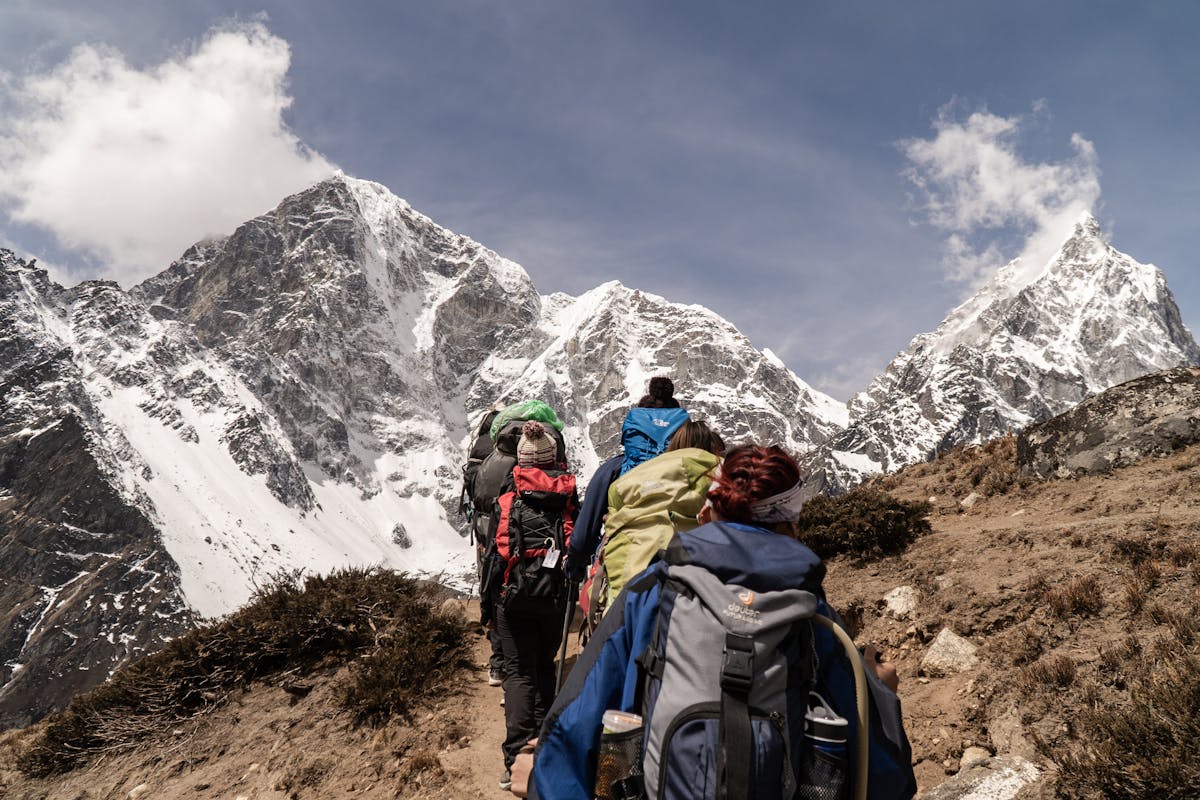
Being the person who organises a group trip is equal parts rewarding and herding cats. Here is how to make it as painless as possible.
1. Pick the destination first, then rally the troops
Do not try to get consensus from 10 people on where to go. You will end up with 10 different answers and zero bookings. Pick a trek that excites you, put it to the group with a clear "this is what we are doing", and let people opt in. Decisiveness is your best friend here.
2. Get real about fitness levels
This is the conversation nobody wants to have, but it matters. A group trek is only as strong as its least-fit member, and there is nothing wrong with that as long as everyone knows what they are signing up for. If your group is a mix of weekend warriors and couch enthusiasts, choose a moderate trek like Annapurna Base Camp over something like the Manaslu Circuit. Share our training guides early and give people time to get their legs under them.
3. Lock in dates early
The longer you leave dates open, the more people will drop out. Set a date, set a deposit deadline, and stick to it. Peak trekking seasons (March to May and September to November for Nepal) fill up. The Inca Trail has daily permit limits. Early is better.
4. Appoint one point of contact
We do not need to coordinate with eight different people. One person handles comms with us, collects deposits, and shares info with the group. It keeps everything clean and fast. That person also gets the perks (more on that below).
5. Let us do the hard work
You do not need to figure out flights, permits, or logistics. That is literally what we are here for. Once you have the people and the dates, hand it over. We send everyone a gear list, a detailed itinerary, a pre-departure briefing, and answer every question along the way. Your job as organiser is done.
Best Treks for Groups
Some treks are naturally better suited to groups than others. These are our top picks.
- Annapurna Circuit (12 days, Nepal) is the gold standard for group treks. Long enough to properly bond, varied enough that every day feels different, and the achievement of crossing Thorong La Pass at 5,416m together is something your group will never shut up about. Daniel Smith trekked this one with us and called his guide "super knowledgeable and very funny." That is the vibe.
- Everest Base Camp (12 days, Nepal) is the one everyone has heard of. Standing at the foot of the world's tallest mountain with your mates? Come on. It is hard, it is cold, and it is absolutely worth every step. The bragging rights alone are unbeatable.
- Inca Trail to Machu Picchu (4 days, Peru) is perfect for groups who want something shorter but equally epic. Four days of ancient stone trails through cloud forest, ending with that iconic sunrise view of Machu Picchu. Just note: permits are limited to 500 per day (including guides and porters), so book early.
- Annapurna Base Camp Fast Track (7 days, Nepal) is our go-to for mixed-fitness groups. Moderate difficulty, incredible mountain amphitheatre at the end, and short enough that the less fit members do not hit the wall. A brilliant option for first-timer groups.
- Mt Batur Summit & Rock Climbing (4 days, Indonesia) is the short and sweet option. A Bali-based combo of volcano sunrise trekking and rock climbing. Perfect for the group that wants adventure but only has a long weekend to spare.
Bring a Mate, Save $200
Here is one for the organisers. Our Bring a Mate referral program gives you $200 off your trek when you refer someone who books. You put in the work rallying the troops and getting everyone sorted. You deserve something for it.
It works like this: if someone books a trek because you referred them, you get $200 off your own booking. Refer two mates and that is $400 off. There is no cap. If you are the person in your group who organises everything, this is basically a thank-you for being that person.
Get in touch and mention "Bring a Mate" when you enquire. We will sort the rest.
The Honest Truth About Group Trekking
We are not going to pretend it is all sunsets and high-fives. Trekking with a group means compromising on pace sometimes. It means someone will be slower. Someone will snore in the teahouse. Someone will forget their rain jacket and borrow yours. That is all part of it.
But here is what we know from running hundreds of group treks: the hard bits are what make it. The tough pass where you pulled each other through. The freezing morning where someone made everyone laugh. The silent moment at sunrise where nobody needed to say anything because you were all thinking the same thing.
Solo travel is great for finding yourself. Group trekking is great for finding out what your friendships are actually made of. And 99 times out of 100, the answer is: more than you thought.
Ready to get the crew together?
Browse our treks and find the right one for your group. Every trek is private and available on any date.
Browse Group TreksWant a group quote?
Tell us your group size, preferred trek, and rough dates. We will have a per-person quote back to you within 24 hours.
Plan Your Group Trek