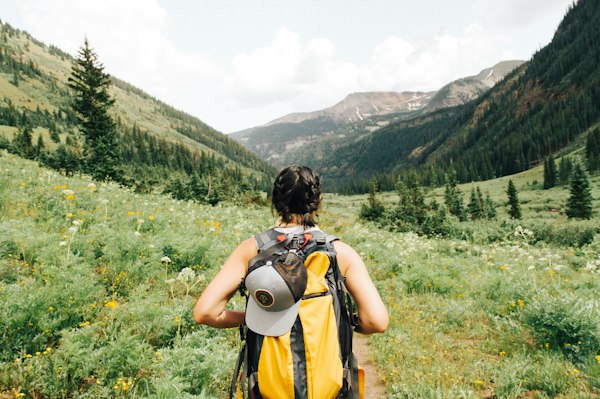
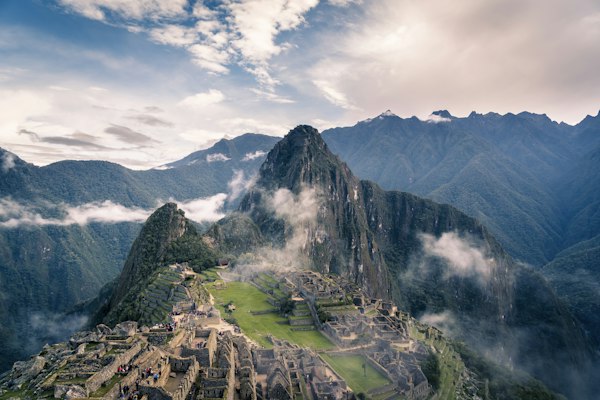
You have been thinking about it for a while now. Maybe a mate came back from Nepal with that annoying glow and a camera roll full of mountain photos. Maybe you scrolled past one too many trekking reels at 2am. Whatever got you here, the good news is this: you do not need to be a hardcore adventurer to do a multi-day trek. Most people who trek with us had never done one before. They just decided to go for it. Here is everything you actually need to know.
You Don't Need to Be Super Fit (Seriously)
We get asked this constantly, and we always say the same thing: if you can comfortably walk for four to six hours with some hills, you are ready for a beginner trek. That is it. No marathon training required. No need to be that person who runs up mountains before breakfast.
Most of our trekkers are regular people with desk jobs who like being active but are not training for anything specific. Our guides set a pace that works for the whole group, and there are plenty of tea breaks, photo stops and moments to just sit and take it all in. The fittest person on the trail is rarely the one having the best time. It is usually the one who slows down enough to actually enjoy it.
Why a Guide Changes Everything (Especially Your First Time)
Can you trek solo? In some places, absolutely. But for your first multi-day trek, going guided is a no-brainer. Think about everything you do not want to stress about on holiday: navigation, dodgy weather calls, finding somewhere decent to sleep, figuring out where to eat, dealing with permits. A good guide handles all of that while you focus on putting one foot in front of the other and soaking it all in.
But honestly, the best part is the company. Our guides have walked these trails hundreds of times and they know every shortcut, every viewpoint, every teahouse that does the best dal bhat. They tell stories about the mountains, crack jokes when the climbing gets tough, and somehow always know exactly when someone needs a break before they ask for one. One of our trekkers came back from 12 days on the Annapurna Circuit saying his guide was "super knowledgeable and very funny." That is exactly what we are going for.
Getting Trek-Fit: A Simple Training Plan
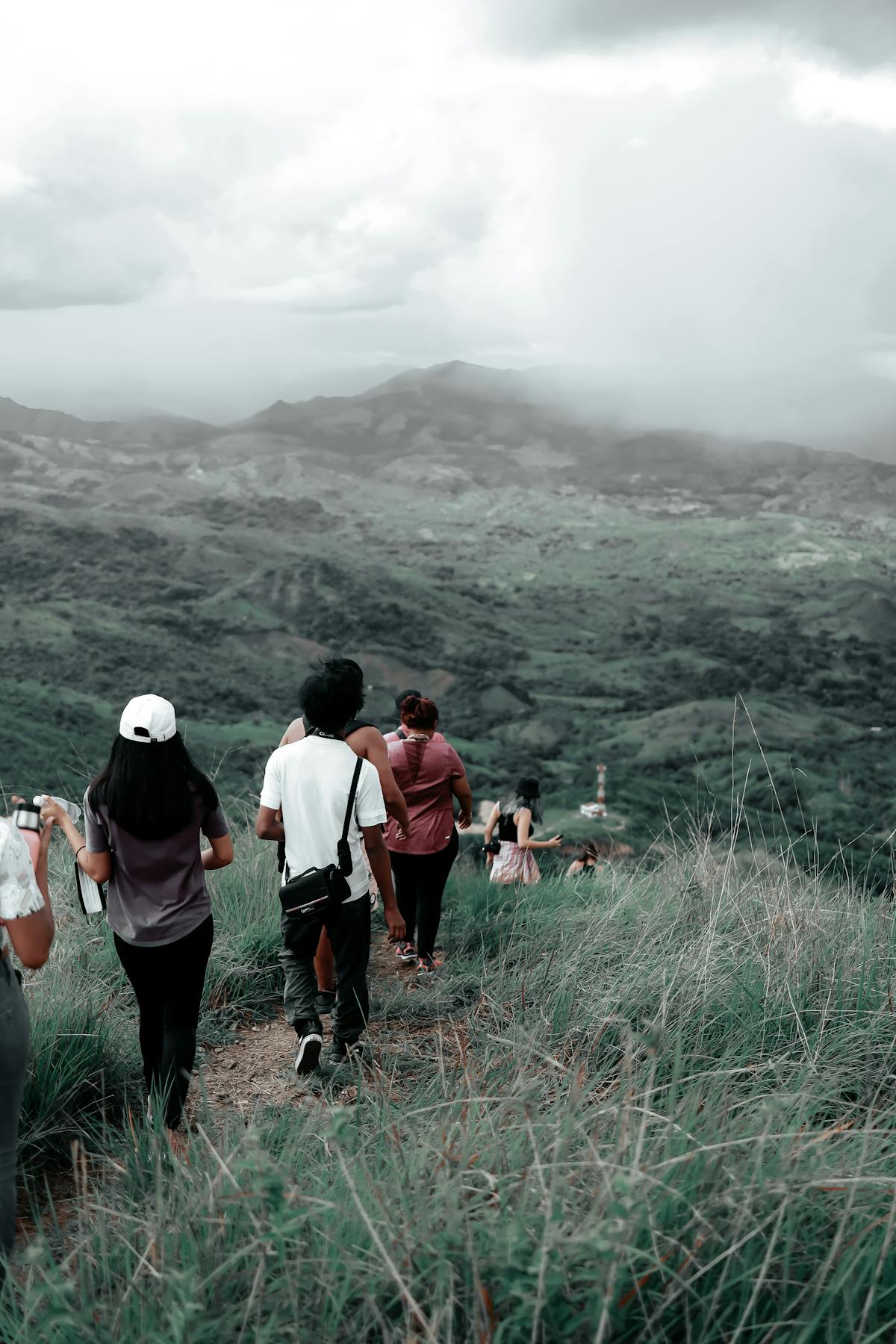
Start 8 to 12 weeks out. You do not need a gym or a personal trainer. You need your legs, a pair of decent shoes and a bit of consistency.
- Walk. A lot. Three to four times a week, building up to two to three hours. Wear the boots you will trek in and chuck some weight in your daypack. Your feet need to know what is coming.
- Find some stairs. Stair repeats are gold. A stadium, a multi-storey car park, that hill near your house that you normally avoid. Start with 20 minutes and build to 45. Your quads will thank you later (eventually).
- Mix in some cardio. Swimming, cycling, jogging, whatever you enjoy. You are building the engine that keeps you going for six or seven hours on the trail.
- Do a proper day hike or two. Get out for 5 to 6 hours on a local trail. Test your boots, your pack, your snack game. It is the closest dress rehearsal you will get.
You are not training for the Olympics. You just want to show up confident that a 5 to 7 hour walking day with some hills will not break you. That is all most beginner treks ask of you.
What Does a Day on the Trail Actually Look Like?
There is a rhythm to trekking that takes about a day to settle into, and once you do, it is addictive. You wake up around 6 or 7am, the air is cold and crisp, and there is usually a mountain view from your window that makes the early start feel reasonable. Breakfast at the teahouse, pack your daypack, hit the trail by 8.
You walk for 5 to 7 hours with proper stops for lunch, cups of tea that taste better than anything you have ever drunk at home, and plenty of photo breaks. By mid-afternoon you roll into the next teahouse, dump your bag and just... relax. Hot tea in your hands, mountains all around, nowhere to be.
Evenings are dead simple and brilliant. Dinner in the common room with your group, swapping stories with other trekkers, maybe a game of cards. Most trails have zero phone signal, which sounds terrifying for about five minutes before it becomes one of the best parts of the whole trip. You sleep hard, wake up to mountain views, and do it all again. It is the kind of routine you actually miss when you get home.
And the food? Way better than you would expect. In Nepal, dal bhat is king and it is all-you-can-eat. You will also find pasta, fried rice, soups, pancakes and enough tea to float a boat. After a full day of walking, every meal tastes incredible.
The Best Treks for First-Timers
Not every trek involves weeks at extreme altitude. These are our go-to recommendations for people doing their first multi-day adventure.
- Annapurna Base Camp Fast Track (7 days, moderate) is probably our most popular first-timer trek. You walk through rhododendron forests and tiny Nepali villages, then the trail opens up into this massive mountain amphitheatre at 4,130m. It is short enough to be manageable and dramatic enough to completely blow your mind.
- Pikey Peak (8 days, moderate) is the quiet achiever. Fewer trekkers, incredible sunrise views of Everest from the summit, and a genuinely authentic feel that the busier trails cannot match. Perfect if you want something a bit different.
- Langtang Valley (11 days, moderate) takes you through beautiful forested valleys into high alpine landscapes. It is close to Kathmandu but feels properly remote, and the local Tamang culture along the trail adds a whole other layer.
- Mt Batur Summit and Rock Climbing (4 days, easy to moderate) is a Bali-based combo of volcano sunrise trekking and rock climbing. The shortest option on our list and a cracking way to dip your toes into adventure travel without committing to a full expedition.
Let's Talk About Altitude
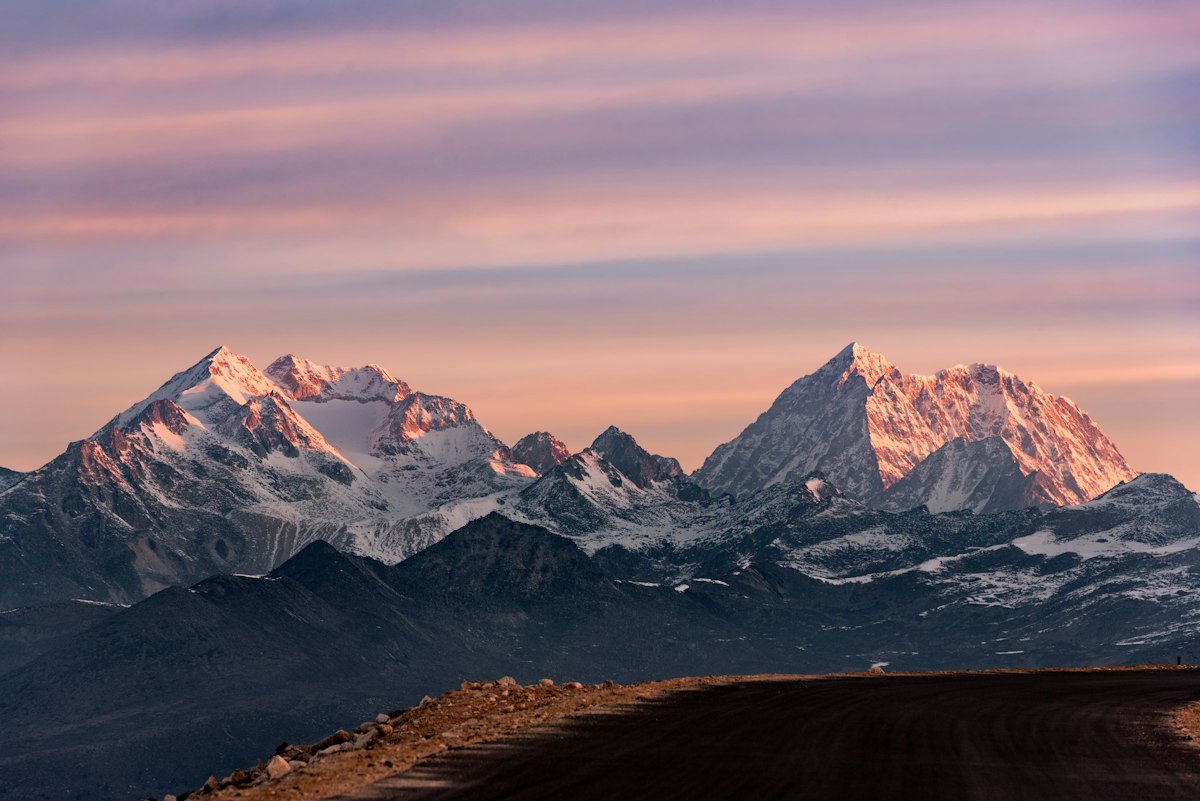
If your trek goes above 2,500m, altitude is worth understanding. The good news is that beginner treks are designed with gradual ascent profiles, giving your body time to adjust day by day. Mild headaches or feeling a bit tired at altitude is completely normal and usually passes within a day or so.
Our guides keep a close eye on everyone and know exactly when to add a rest day or ease the pace. The golden rule is dead simple: climb high, sleep low, drink loads of water, and speak up immediately if something feels off. No one will think less of you for being honest about how you are feeling. In fact, it is exactly what we want you to do.
We have a full deep-dive on this. Read it here: How to Prevent and Manage Altitude Sickness.
Gear Without the Price Tag
You do not need to remortgage the house to kit yourself out. The absolute essentials are solid hiking boots (broken in before you go, please), a comfortable daypack, layered clothing, a warm sleeping bag liner and a decent rain jacket. If you are trekking in Nepal, most other bits and pieces can be rented or bought cheaply in Kathmandu. The gear shops in Thamel are an experience in themselves.
We send every trekker a detailed gear list before departure so there are no surprises. For the full rundown, check out our Nepal Trek Packing List.
How Booking Actually Works
We have tried to make this as painless as possible. All of our treks are private, which means you pick your dates and trek with your own crew. No waiting for a set departure date, no getting lumped in with strangers (unless that is what you are after).
- Pick a trek. Browse our routes and find one that suits your fitness, your timeframe and your budget. Prices start from $1,199 AUD per person.
- Reach out. Send us an enquiry. Not sure which trek is right? Tell us a bit about yourself and we will point you in the right direction. That is literally what we are here for.
- Lock it in. A deposit secures your spot and dates. The balance is due closer to departure.
- We take it from there. Flights, permits, visas, accommodation, guides, gear lists, a full travel plan. You just focus on getting your legs ready. We handle the rest.
Honest Answers to the Worries Everyone Has
"What if I'm the slowest?" Someone always is, and genuinely, it does not matter. The group moves at a pace that works for everyone. Our guides are experts at making sure nobody feels rushed or left behind. Some of the best moments on a trek happen when you slow down anyway.
"What if I get sick?" Our guides carry first aid kits and have emergency protocols for everything. On most trails you are never more than a day from a health post or evacuation point. We also require travel insurance that covers trekking at altitude, because we would rather you had it and never needed it.
"Will the toilets be awful?" They are... character-building. Squat toilets are standard at most teahouses, though some lodges have Western-style ones. Pack hand sanitiser and an open mind. Everyone thinks this will be the deal-breaker. Nobody actually cares after day one.
"Can I go by myself?" Absolutely. A huge number of our trekkers are solo travellers, and they almost always say it was the most social travel experience they have ever had. You are with your guide the whole time and you will meet other trekkers at every teahouse. It is basically impossible to feel lonely.
"What if I want to bail mid-trek?" It happens very rarely, but if it does, your guide will get you safely back to town. Zero judgement. But here is a little secret: almost everyone who wants to quit on day two ends up having the time of their life by day five. The tough days make the good ones even better.
Ready to pick your first trek?
Browse our beginner-friendly routes and find the one that fits your style, fitness and budget.
Browse Beginner TreksStill have questions?
Send us a message. We are happy to recommend the right trek for your first time and walk you through everything.
Get in Touch