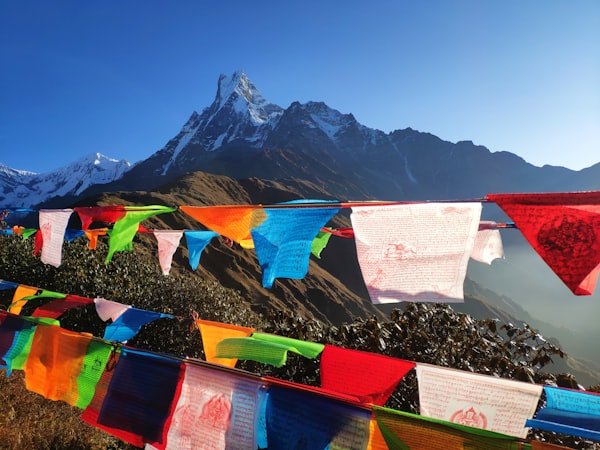
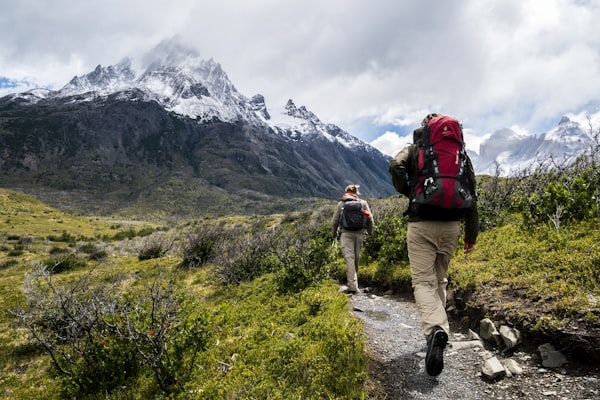
So you want to trek to Machu Picchu. Brilliant choice. But now comes the hard part: which route? The Inca Trail is the famous one, the ancient footpath through ruins and cloud forest that ends with a sunrise you will never forget. The Salkantay Trek is the wild card, a glacier-to-jungle adventure through some of the most jaw-dropping terrain in South America. We have taken groups on both, and honestly, you cannot go wrong either way. But they are very different trips, so let us break it down properly.
Give Me the Quick Version
Short on time? Here is the deal. If you are a history nerd who gets goosebumps at ancient ruins and wants to walk through the Sun Gate at dawn, the Inca Trail is calling your name. If you want raw nature, fewer people on the trail and a proper physical test, the Salkantay Trek is the one. Both finish at Machu Picchu. Both will leave you speechless.
| Inca Trail | Salkantay Trek | |
|---|---|---|
| Duration | 4 days | 5 days |
| Distance | 42 km | 74 km |
| Highest Point | Dead Woman's Pass, 4,215m | Salkantay Pass, 4,630m |
| Difficulty | Moderate | Moderate to Hard |
| Permit Required | Yes (limited to 500/day) | No permit lottery |
| Price | $1,989 AUD/person | $2,089 AUD/person |
Walking in Ancient Footsteps: The Inca Trail
There is a reason this trek is famous. You are literally walking the same stone path the Incas built over 500 years ago. Four days, 42 kilometres, and every turn reveals something incredible: crumbling temples tucked into hillsides, terraces carved into impossibly steep slopes, cloud forest dripping with moss. It feels less like a hike and more like a pilgrimage.
Day two is where it gets real. Dead Woman's Pass sits at 4,215 metres and the climb up is a proper grind. Your legs will burn, your lungs will remind you that altitude is no joke, and you will wonder what possessed you to sign up for this. Then you crest the top, look out over endless green valleys, and it all makes sense. The rest of the route rolls downhill through cloud forest and past stone ruins that most visitors to Peru never get to see.
And then there is the finale. Dawn on day four. You stumble out of camp in the dark, walk the last stretch to the Sun Gate, and suddenly Machu Picchu appears below you, wrapped in morning mist with golden light just starting to hit the terraces. We have seen grown adults tear up at this point, and honestly, fair enough. It earns the hype.
The catch? Permits sell fast. The Peruvian government only lets 500 people on the trail per day, and that includes guides and porters. June and July dates can sell out three to six months ahead. If this is on your list, do not sit on it.
Price: $1,989 AUD per person
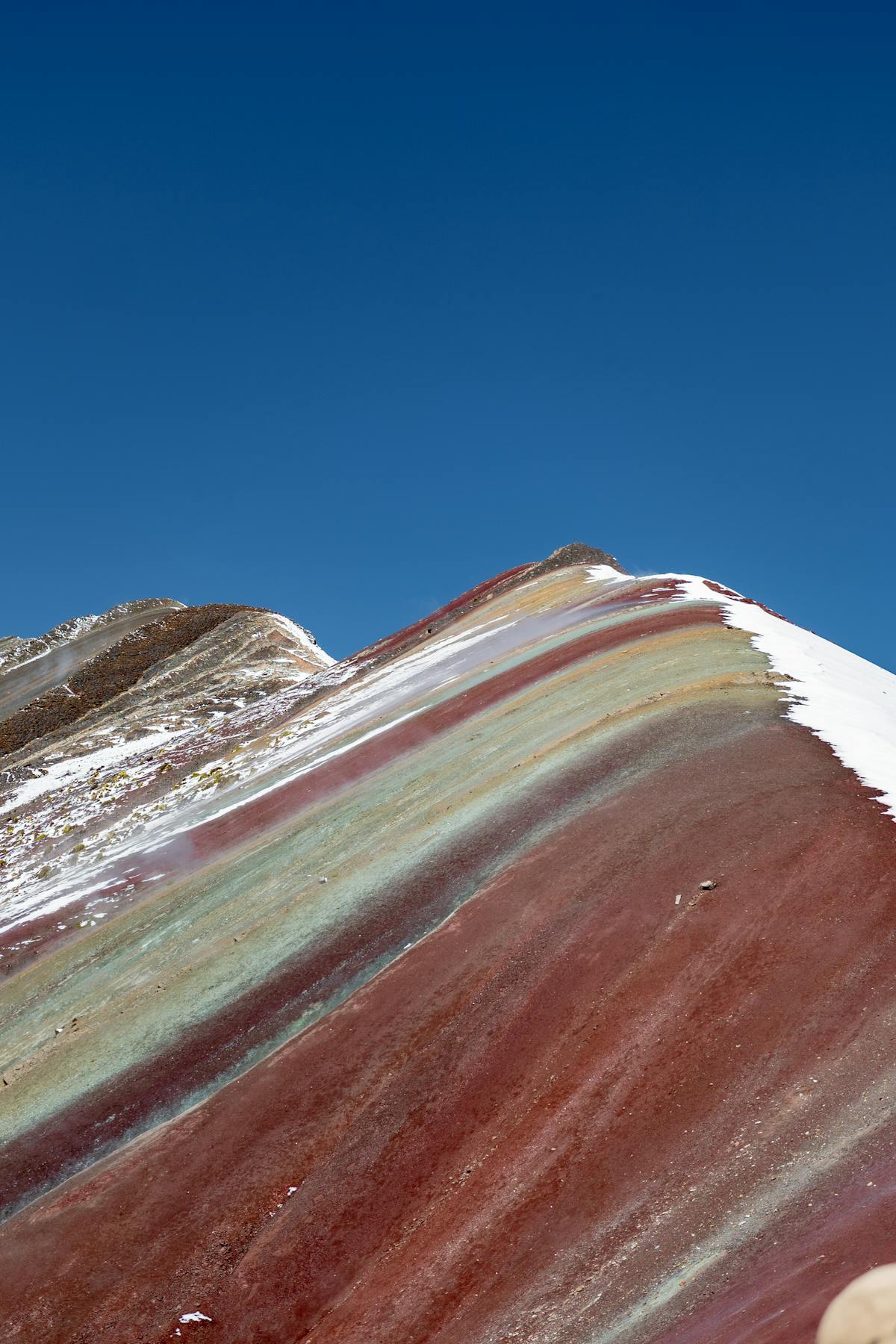
Glaciers, Jungle and Everything Between: The Salkantay Trek
Salkantay is what happens when nature decides to show off. Five days, 74 kilometres, and the scenery changes so dramatically that it feels like trekking through three different countries. You start in high alpine grassland where the air is thin and the views stretch forever. By day two you are staring up at the Salkantay glacier, this massive wall of ice and rock that makes you feel very, very small.
Then the descent begins and things get tropical fast. Cloud forest gives way to banana plantations. Coffee farms replace mountain passes. Suddenly there are parrots overhead and orchids at your feet. One of our favourite moments on this trek is when trekkers realise they started the day in fleece jackets and are now walking through actual jungle in t-shirts. The contrast is wild.
The other big win? No permit drama. Salkantay does not have the Inca Trail's limited daily numbers, so you can book closer to your travel dates without the stress. It is also noticeably quieter on the trail, which is perfect if you prefer space over crowds.
Price: $2,089 AUD per person
So Which One is Actually Harder?
Salkantay. No question. It is nearly double the distance, hits a pass at 4,630 metres (over 400 metres higher than anything on the Inca Trail), and the days are longer. The descent off Salkantay Pass is steep, loose in places, and if it has been raining, your knees will have some strong opinions about the whole situation.
That said, the Inca Trail is no cruise either. Day two dishes out over 1,200 metres of climbing and by the time you reach Dead Woman's Pass, you will understand how it got the name. But the overall distances are shorter, the daily hours more manageable, and the established campsites mean you always know when the suffering ends for the day.
For either trek, you want to be comfortable walking six to eight hours with a daypack. Get a few months of cardio under your belt, throw in some hill walks, and do a couple of long day hikes on weekends. If you are reasonably fit and want a solid challenge, the Inca Trail delivers. If you want to properly push yourself and love the idea of big mountain days, Salkantay will happily oblige.
What Will You Actually See?
This is where it gets personal, because both treks are stunning but in completely different ways.
The Inca Trail is a history lesson that happens to be beautiful. Every few hours you round a corner and there is another set of ruins, another stone staircase disappearing into the mist, another spot where you can almost hear the footsteps of the people who built this trail centuries ago. Camping beside archaeological sites that most visitors to Peru will never see is pretty special. The whole experience builds towards that Sun Gate moment, and it feels earned in a way that turning up by bus simply does not.
Salkantay is nature turned up to eleven. The glacier steals the show early on, but the real magic is the transformation. Alpine tundra one day, orchid-filled cloud forest the next, then humid jungle with hot springs to soak your tired legs. We have had trekkers tell us it felt like doing three different trips in one week. If variety is your thing, Salkantay is hard to top.
The Permit Situation (This Matters More Than You Think)
Here is the thing that actually decides a lot of trips: permits. The Inca Trail has a strict cap of 500 people per day, guides and porters included. Peak season from May to September? Popular dates go fast. We are talking three to six months ahead for June and July. Miss the window and you are out of luck until next year.
Salkantay skips all of that. No government lottery, no limited spots. You still need to book your trek, obviously, but there is a lot more flexibility on timing. If you are the kind of person who plans trips two months out rather than six, Salkantay gives you that breathing room.
Worth knowing: both treks need a separate Machu Picchu entry ticket. We sort that out as part of your package, so you do not need to worry about it.
Alright, Which One Should You Actually Pick?
The Inca Trail is your trek if:
- Walking in the actual footsteps of the Incas gives you goosebumps
- That Sun Gate sunrise moment is on your bucket list
- You like a shorter, well-trodden route with established campsites
- You are organised enough to book a few months out
Salkantay is your trek if:
- You want scenery that changes completely every day
- You are fit and keen for something physically demanding
- Fewer people on the trail sounds like heaven
- You want flexibility with your dates rather than a permit scramble
- Glaciers, jungle and hot springs in one trip sounds like your idea of a good time
Why Not Just Do Both?
Look, we might be biased, but some of our favourite trips have been back-to-back Peru treks. The two routes cover completely different ground and give you totally different perspectives on the Andes. If you have the time and the legs for it, doing Salkantay first and finishing with the Inca Trail means you build up to that Sun Gate moment as the grand finale. Pretty hard to top that. Drop us a line if you want to chat about combining them.
Explore our Peru treks
Check out both the Inca Trail and Salkantay Trek with full itineraries, inclusions and pricing.
Browse Peru TreksNot sure which to pick?
Send us a message with your dates and fitness level. We will recommend the right trek for you.
Get in Touch